Holiday Hours:

December 21-23, 2024 – 7:00 AM – 5:00 PM

December 24-25, 2024 – Closed

December 26, 2024 – 7:00 AM – 5:00 PM

December 27, 2024 – Closed

December 28-30, 2024 – 7:00 AM – 5:00 PM

December 31 – January 1, 2024 – Closed

January 2, 2024 – 7:00 AM – 5:00 PM

January 3, 2024 – Closed

As of the afternoon of January 23, 2025, our phones are operational. Thank you for your patience as our phone provider experienced a national outage that impacted our phone services on the afternoon of January 22 and the morning of January 23.

If You Have Prostate Cancer: Questions to Ask Your Doctor

prostate

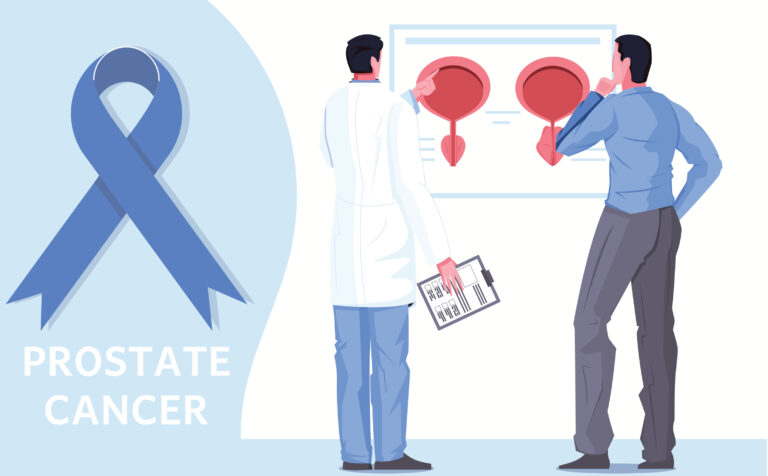
A prostate cancer diagnosis can be overwhelming and scary. You will probably have lots of questions, and wonder where to even begin. Be open with your doctor with your questions and concerns. Here’s a guide you can follow to gain understanding of what to expect.

Understand the stage and seriousness of the cancer. The stage of the cancer is how far the cancer has spread. Knowing the stage of your cancer is important so your doctor can determine what types of treatment might be best for you.

The American Cancer Society recommends these questions:

  • Do you know the stage and risk group of cancer?
  • If not, how and when will you find out?
  • Would you explain to me what the stage and risk group mean in my case?
  • What will happen next?

The big question on your mind will be, How do I fight it? Your doctor will discuss treatment options with you. Determining a treatment plan will consider things like the cancer type, stage and grade for the cancer, pre-existing health problems, and your personal concerns among many other factors.

The main kinds of treatment are observation, active surveillance, surgery, radiation, hormone therapy, and chemo. Sometimes more than one kind of treatment is used.

What will happen after treatment?

After treatment, your doctor will want you to come back for follow-up visits. You will be asked about symptoms, get exams and potentially have blood tests and other tests to monitor indicators.

It will be hard not to worry about a recurrence, but with regular check ups with your doctor, and implementing a healthy lifestyle, you can stay ahead of recurrence and have ease of mind.

The longer you’re cancer-free, the less often the visits are needed.

Contact Us

Latest Articles

Why Follow-Up Matters

Follow-up appointments are an important part of staying healthy. Whether you’re managing a condition, monitoring progress, or simply keeping up

Read More »

Why Follow-Up Matters

Follow-up appointments are an important part of staying healthy. Whether you’re managing a condition, monitoring progress, or simply keeping up

Read More »

Like What You See? Share With A Friend!

EXPERT CARE

Our caring team of experts are here to provide you with a custom-tailored treatment plan that is unique to your diagnosis, tumor size, location and involvement. Click on the button below to learn more.